The Promise of Impossible Wealth
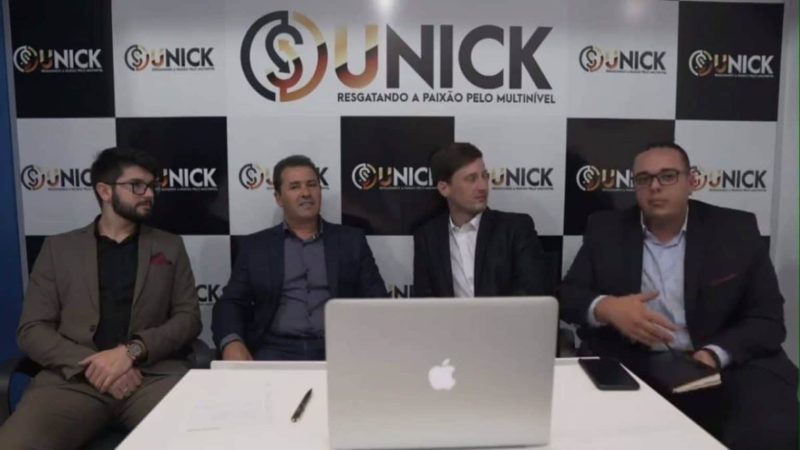
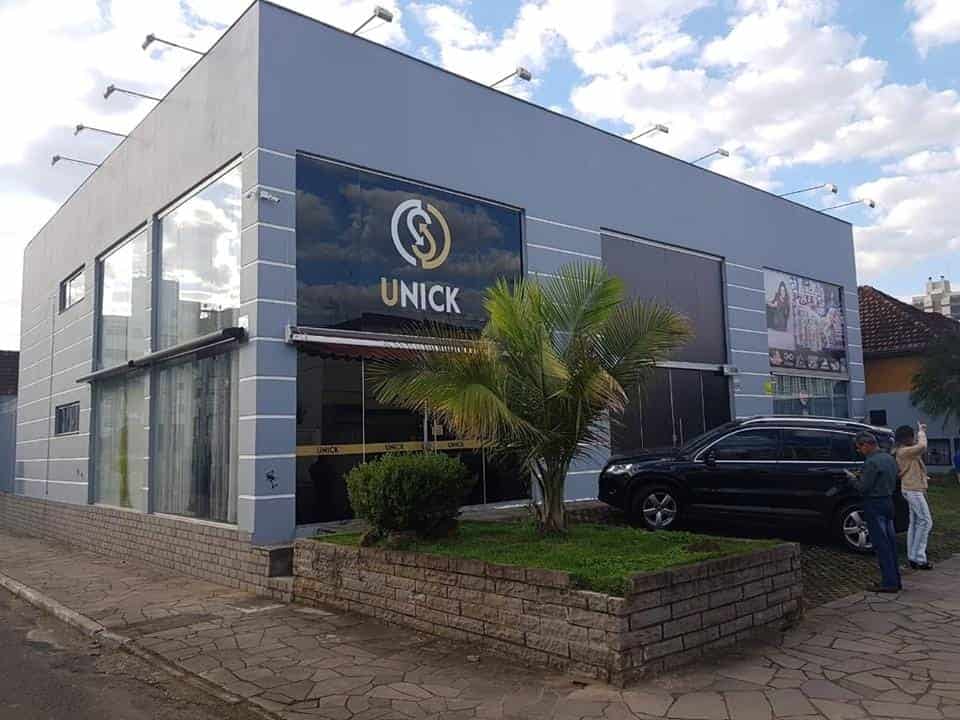
The history of financial fraud is often defined by audacious promises, and the Unick Forex case stands as one of Brazil’s largest recent scandals involving cryptocurrencies and the unregulated Foreign Exchange (Forex) market. Founded in 2013 and headquartered in São Leopoldo, Rio Grande do Sul, Unick presented itself as an investment advisory firm specializing in currency exchange and digital currencies, particularly Bitcoin.
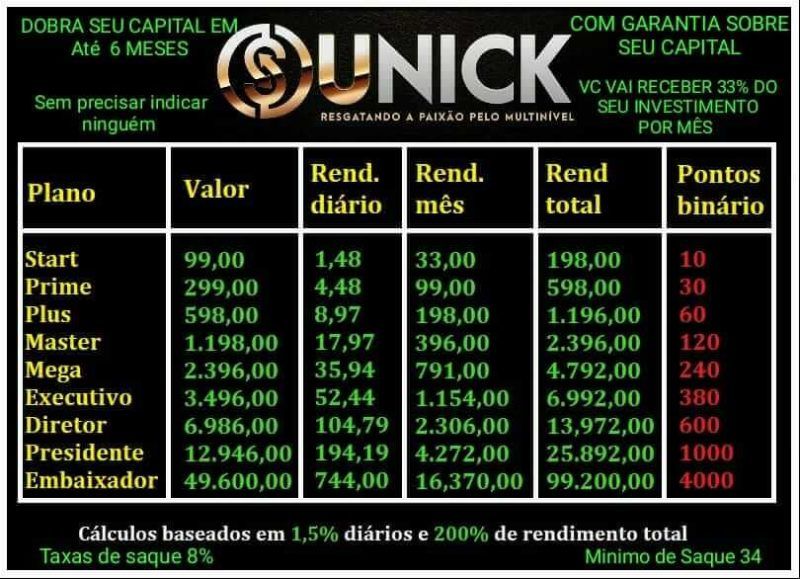
The company lured investors with tempting, often unbelievable, guarantees of rapid returns. These promises included returns of 100% on the invested amount within just six months. Some claims even promised gains of up to 33% per month, or daily yields of about 1.5%. To attract a massive base, the initial investment threshold was remarkably low, starting at R$ 90.
Unick Forex cultivated an image of authority and legitimacy by offering courses and products, despite acting without proper regulatory authorization. When the Comissão de Valores Mobiliários (CVM)—Brazil’s securities regulator—first raised red flags, the company attempted to mask its operations by rebranding itself as Unick Forex Academy (or Unick Academy). This shift was an effort to disguise the continuous pyramid scheme by claiming to sell “content related to education” or knowledge about the financial market.
The Peak and the Collapse: Financial Scale and Operation Lamanai
During its operational peak, Unick Forex achieved staggering financial metrics, demonstrating the scale of its successful deception. The company’s total financial movement was estimated by police at R$ 28 billion. Other sources indicate the company owed approximately R$ 12 billion to its customers and may have captured up to R$ 29 billion from approximately 1.5 million people.
At its height, Unick Forex was reportedly capturing up to R$ 40 million per day. The company’s influence extended globally, as it was reported to have handled R$ 9 billion in more than 14 countries worldwide.
However, the foundation of the operation was inherently unstable. By July 2019, customers began reporting issues with withdrawals and fulfillment of promised returns. Thousands of complaints about suspended withdrawals and failure to recover invested capital flooded consumer protection sites like Reclame Aqui, with one report noting over 4,000 complaints in a single month (August).

The collapse was cemented in October 2019, when the Federal Police (PF) launched Operação Lamanai to investigate the massive fraud in the exchange and digital currency markets. The operation resulted in the initial arrest of 10 people linked to the company’s leadership, including the main partners like Leidymar Bernard (also cited as Leidimar Lopes), Dante Navigate (or Danter Silva), and Fernando Tree (or Fernando Lusvarghi).
Deep Fraud Mechanism: The Anatomy of a Ponzi Scheme Disguised
The core operation of Unick Forex was characterized as a classic financial pyramid scheme, often interchangeably called a Ponzi scheme.
The Ponzi Cloak: Deceptive Tactics
The company went to great lengths to avoid being categorized as a simple pyramid:
- Multilevel Marketing (MLM): Unick employed multilevel marketing techniques and commercial strategies as a facade. It offered commissions—specifically 10%—to investors who successfully recruited new clients, ensuring a constant influx of fresh capital needed to sustain the illusion.
- The Education Ploy: Leaders argued that genuine pyramids “do not sell products, courses and do not have a CNPJ”. By selling “educational content” related to the financial market, they created an image of structure and initial authority.
- Cryptocurrency and Forex Hype: Unick capitalized on the excitement around Bitcoin and the Forex market. Crucially, the Forex market is not regulated by the CVM in Brazil, and no company in the country can legally offer investments in this market or attract clients for it, making Unick’s operations inherently irregular. By claiming to operate in these complex, often high-risk, markets, they provided a seemingly legitimate explanation for the exorbitant returns.
- Capital Laundering: The money invested by clients was funneled into dummy companies and moved using fintechs, virtual banks, and third-party accounts, with portions converted into Bitcoin. Federal justice investigations uncovered a separate process focusing on the movement of R$ 269 million through facade companies for money laundering.
The Ponzi Mechanism: Under the guise of generating profit through complex financial operations, the company’s profit was not actually generated by the main product or the purported trades. Instead, returns promised to existing investors were paid out using the money collected from new investors recruited into the lower tiers of the pyramid.
The Persistence of Fraud: Unick 2.0
Even after the initial collapse and arrests, the allure of the scheme remained, manifesting in the attempted resurrection of the brand as “Unick 2.0”. This new iteration, appearing in 2025, used social media and messaging apps to promote itself as the continuation of the original “legend”.

The “Unick 2.0” promoters doubled down on the deceit, promising outlandish returns of 3% to 7% per day. The project also announced the planned launch of its own proprietary cryptocurrency, Unickcoin, with no technical details provided.
While profiles circulating online featured images of original leaders, including Leidimar Lopes and Danter Silva, the defense for Leidimar Lopes strongly denied any involvement, stating that third parties were using his image criminally and that the matter had been reported to federal authorities.
Red Flags of Deception
For investors, several key indicators marked Unick Forex as a highly suspicious, if not outright fraudulent, enterprise, serving as critical red flags for any similar investment opportunity:
Red Flag 1: Unrealistic Guaranteed Returns
The single largest red flag was the promise of guaranteed, extremely high profits in a short period.
- 100% return in six months.
- Gains of 1.5% to 7% per day or 33% per month.
- A key characteristic of Ponzi schemes is the offer of “absurd advantages” for investments, which become unsustainable over time.
Red Flag 2: Regulatory Non-Compliance and Warnings
Despite the complexity of its offerings, Unick operated outside regulatory compliance:
- The CVM prohibited Unick Forex from operating in the market as early as 2018.
- The company was penalized by the CVM in 2020, with R$ 12 million in fines applied to the company and its partners (Leidimar Lopes, Alberi Lopes, and Fernando Lusvarghi) for distributing securities and making public offers without authorization.
- The core asset, Forex trading, is not regulated by the CVM in Brazil, meaning the company operated in an unauthorized legal grey area.
Red Flag 3: The Need for Constant Recruitment
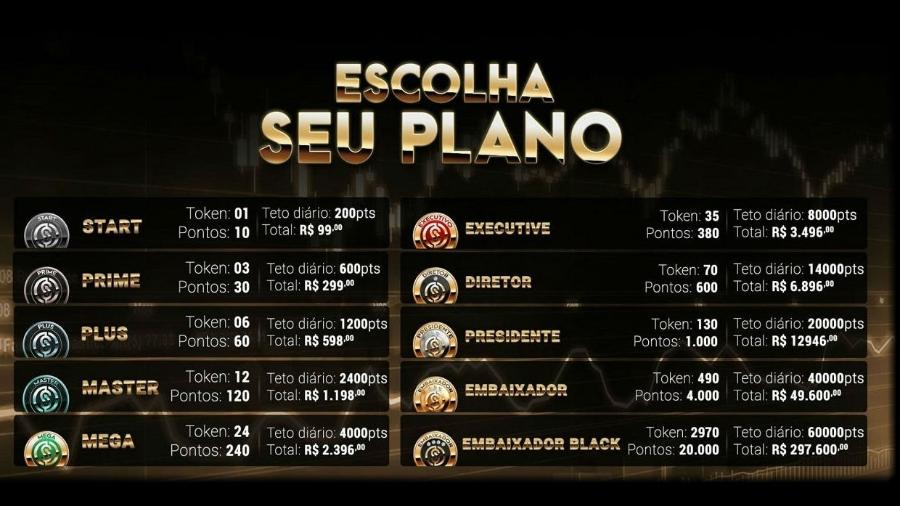
The heavy emphasis on recruiting new clients for a 10% commission indicates that the scheme relied on expansion rather than actual market profits. This is the telltale sign of a classic pyramid structure that requires new blood to pay older investors.
Red Flag 4: Facades and Lack of Transparency
The use of “Unick Academy” and “educational products” was a transparent attempt to conceal the pyramid structure and evade regulatory action. Furthermore, investors were initially asked to deposit funds directly into the personal account of the president, Leidimar Lopes, another highly irregular practice. The company also promised a “insurance” linked to a guarantor who lacked the necessary assets to cover potential losses.
Legal Status and The Aftermath of Restitution
The legal proceedings following Operation Lamanai have moved slowly but are now focusing on the restitution of funds to victims.
Criminal and Civil Proceedings
The legal status of the Unick leaders remains precarious:
- The Federal Public Ministry (MPF) denounced 15 people for crimes including organization crime, unauthorized operation of a financial institution, money laundering, evasion of currency, and illegal issuance of securities.
- The denunciation was accepted by the Federal Justice, and the process is currently in the instruction phase at the 7th Federal Court of Porto Alegre.
- Although the accused were arrested in 2019, they are currently responding to the charges in freedom. Leidymar Lopes, for example, secured house arrest during the pandemic and continues to face restrictions.
- In separate civil actions, representatives of Unick Forex had assets, including bank accounts and investments, blocked up to R$ 3 million by courts in Goiânia/GO.
The Fate of the Bitcoin Cache
A major breakthrough in victim compensation occurred recently regarding seized assets:
- In October 2019, the Federal Police seized approximately 1,600 bitcoins (BTC) during Operation Lamanai.
- On October 24, 2025, these crypto assets were officially delivered by the PF to the Business Court of Novo Hamburgo.
- The 1,600 BTC are considered the main asset of the company’s bankruptcy estate. Based on current exchange rates, these bitcoins are valued at approximately R$ 950 million, or around R$ 970 million according to some calculations.
- The transfer of these assets was a “complex procedure” involving federal police, lawyers for the defendants, representatives of the trustee, and the judiciary.
The Restitution Process
The delivery of the bitcoins is a critical step towards compensating the victims. The Novo Hamburgo Justice decreed the company’s bankruptcy in April 2025.
- Creditor Claims: Approximately 3,000 creditors have already filed requests for restitution.
- Total Claims: The credits under judicial analysis currently sum around R$ 200 million. It is important to note that the total value of the passivo (liabilities) is still unknown as the analysis of credits is ongoing.
- Payments Timeline: The expectation is that the Administration Judicial (the office managing the bankruptcy estate) will sell the bitcoins, an action predicted for mid-December 2025. However, there is no definite date for payments to begin, as the process requires the analysis of more than 1.5 million transactions.
- Concrete Deadline: A confirmation of concrete payment deadlines is expected in the first semester of 2026. The Federal Police emphasized that the recovery of the assets offers victims a “concrete chance to recover part of their resources”.
Despite the substantial seizure, the complexity of recovering funds remains daunting, especially considering the total estimated damage exceeded R$ 12 billion. Furthermore, authorities tracked a separate Bitcoin wallet linked to founder Leidymar Lopes, created just two days before his arrest, containing 1,564 bitcoins, currently valued at R$ 66 million.
Writer’s Commentary
The immense success of the Unick Forex financial pyramid, allowing it to capture billions from over a million victims, rests on a calculated technical deception rather than simple psychological greed. The core technical cause was the strategic exploitation of regulatory arbitrage and asset novelty. The company deliberately situated its core services (Forex trading and Bitcoin/crypto investments) in areas that, at the time, lacked stringent CVM regulation in Brazil. This allowed Unick to promise extraordinary returns linked to complex, globally understood, yet domestically unregulated, financial products.
Simultaneously, the technical facade of offering “education” and operating under the name Unick Academy provided a false layer of legal compliance and product utility. By coupling the high-tech appeal of cryptocurrencies with a robust Multi-Level Marketing (MLM) structure, Unick successfully presented itself not as a crude pyramid, but as an innovative financial institution too advanced for traditional regulators. This combination—unregulated asset hype masked by an ‘educational’ structure—was the operational blueprint that maximized client trust and minimized early intervention, scaling the scam to its staggering R$28 billion peak.