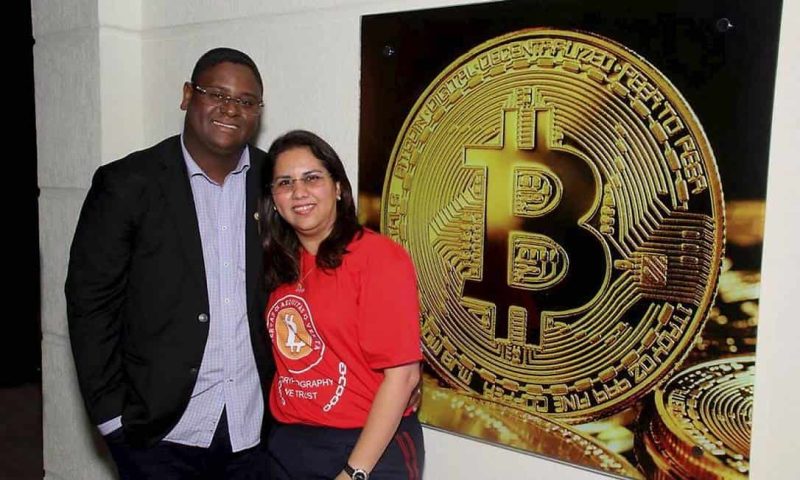
The saga of Glaidson Acácio dos Santos, universally known as the “Faraó do Bitcoin” (Pharaoh of Bitcoin), is more than a simple financial fraud—it is a forensic case study spanning financial deception, organized crime, and extreme violence, all fueled by the allure of cryptocurrency. What began in Cabo Frio, Rio de Janeiro, as a supposed high-yield investment scheme quickly metastasized into a bilionário (billion-dollar) enterprise that ultimately collapsed under the weight of its own unsustainable promises and the swift action of law enforcement in Operation Kryptos.
The company at the center of this scandal, GAS Consultoria e Tecnologia Ltda., marketed itself as a sophisticated crypto trading entity. Instead, federal investigators allege it was a classic Ponzi scheme, moving an astounding R$ 38.2$ billion (approximately 6.7$ billion, based on historical exchange rates cited by sources at the time of the event) between 2015 and 2021, victimizing an estimated 80,000 people across the country.
Overview: From Waiter to “Pharaoh”
Glaidson Acácio dos Santos’s ascent was rapid and deeply localized, originating in Cabo Frio, located in the Região dos Lagos of Rio de Janeiro. Before becoming the “Faraó,” Glaidson was a former waiter and a former pastor of the Universal Church of the Kingdom of God (Igreja Universal do Reino de Deus). This background reportedly helped him establish a veneer of trust and respectability among his initial pool of investors.

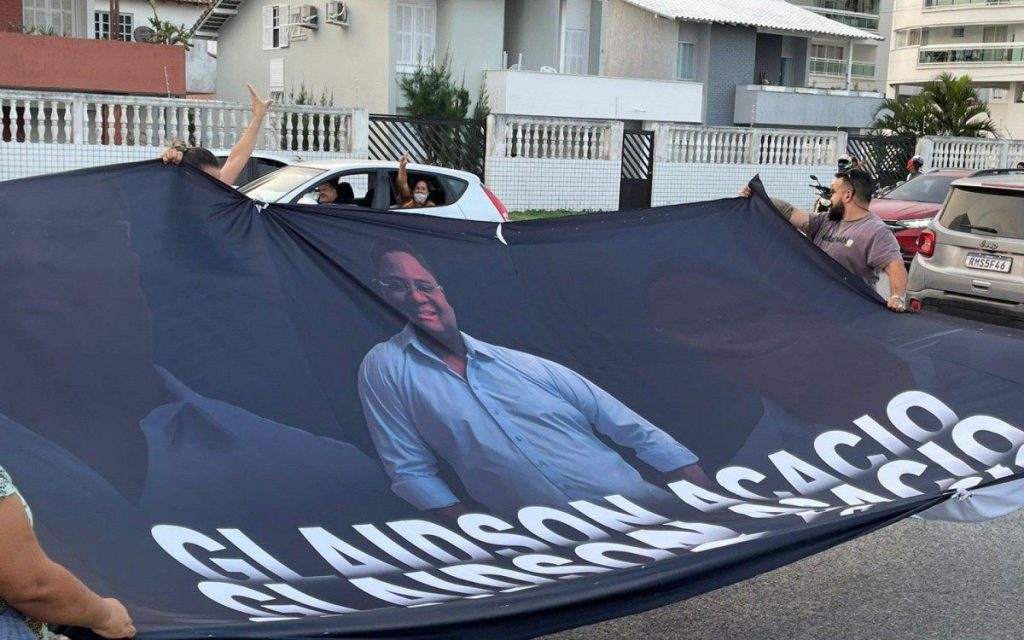
He founded GAS Consultoria Bitcoin in 2015. The promise was breathtakingly simple yet financially impossible: guaranteed monthly returns of 10% on investments, allegedly generated through crypto trading. This lucrative proposition attracted a vast number of clients, many of whom were ordinary families, workers, and small business owners seeking a financial lifeline. Supporters even credited GAS with saving numerous merchants from bankruptcy and sustaining local commerce, particularly during the COVID-19 pandemic, cementing Glaidson’s image as a community benefactor.
Operation Kryptos and the Financial Scale
The operation’s true nature was exposed when the Federal Police (PF), the Federal Public Ministry (MPF), and the Federal Revenue Service launched Operação Kryptos on August 25, 2021. Glaidson was arrested in a mansion in the West Zone of the capital, Rio de Janeiro, while simultaneous searches were conducted in several locations, including Cabo Frio and São Pedro da Aldeia.
The scale of the seizure was immediate and staggering:
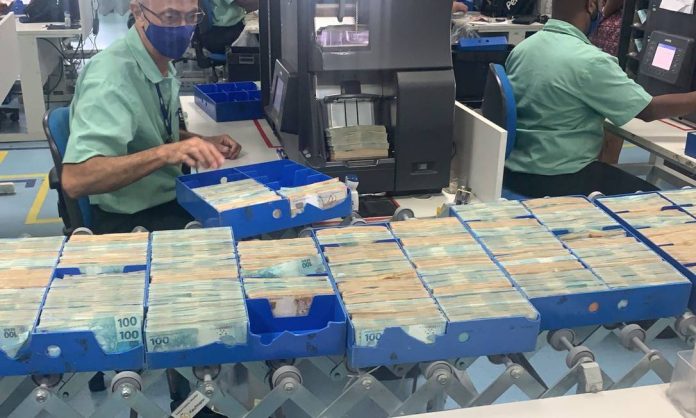
- R$ 13 million in cash (species, pounds, euros).
- 591 Bitcoins (BTC) found in physical wallets, estimated at R$ 147 million at the time of the seizure.
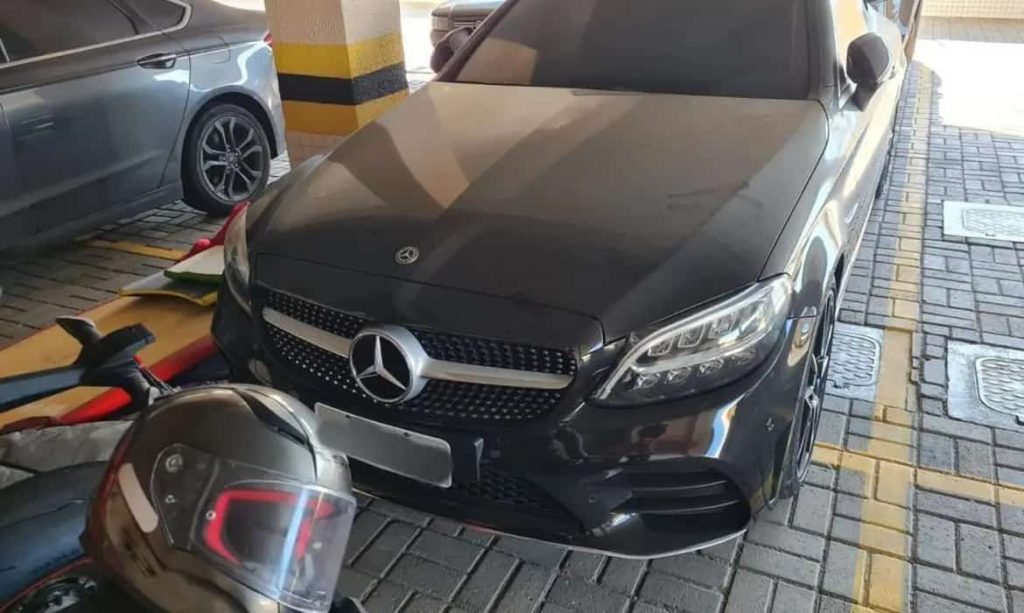
- Dozens of luxury cars, jewelry, and watches were also seized.
The investigation estimated that the scheme moved nearly R$ 40 billion over its operational period. In the four months prior to his arrest, Glaidson’s wife, Mirelis Zerpa, reportedly received transfers exceeding R$ 1.4 billion (or 26.7$ million) from the company.
Deep Fraud Mechanism: The 10% Guarantee
The foundation of the GAS Consultoria business model was the promise of a fixed, astronomical, and guaranteed 10% monthly return.
The Technical Deception
Investigators confirmed that the mechanism was a classic Ponzi scheme, relying on funds from new investors to pay the promised returns to older clients. Compounding the fraud, the task force affirmed that GAS did not even re-apply the investors’ capital in cryptocurrency trading as advertised, making the deception two-fold.
The structure of the organization involved Glaidson, a former pastor, handling the public relations and managing the clients, while his Venezuelan wife, Mirelis Yoseline Diaz Zerpa, was the technical manager responsible for converting the money into cryptocurrency.
The Violent Arm of the Pyramid
As the pyramid expanded and attracted competitors, the organization allegedly resorted to extreme violence to maintain market dominance in the Região dos Lagos.
Glaidson Acácio dos Santos is accused of being the mastermind behind a murder-for-hire plot.
The sources detail two specific acts of violence allegedly mandated by Glaidson:
- Murder of Wesley Pessano: In August 2021, Wesley Pessano, who ran a rival pyramid scheme called Ares Traiders, was assassinated in São Pedro da Aldeia (RJ). According to the Public Ministry’s complaint, Pessano’s company was offering higher returns than GAS Consultoria, which allegedly infuriated Glaidson. Glaidson is accused of contracting a “private militia” to carry out the murder.
- Attempted Murder of Nilson Alves da Silva: Glaidson also faces charges for the attempted murder of Nilson Alves da Silva in March 2021. Nilson, who owned a rival crypto business, was shot multiple times and was left blind and paraplegic after the attack. Nilson’s alleged offense was spreading rumors in Cabo Frio that the owner of GAS was about to be arrested, encouraging clients to switch their assets.
One suspect involved in these violence cases, Thiago Julio Galdino, was arrested in August 2025 by Rio de Janeiro Civil Police, accused of participating in the homicides and being part of the criminal organization.
Ocultation and the Ciphered Fortune
Even after Glaidson’s arrest, the efforts to conceal the immense illicit wealth continued. His wife, Mirelis Zerpa, who had technical access to the cryptocurrency wallets, fled and was considered a fugitive for two and a half years before being arrested in the U.S. and deported to Brazil in June 2025. Mirelis’s defense initially claimed that she managed to withdraw R$ 1$ billion in Bitcoin while fleeing to continue paying clients and that the funds were exhausted.
Crucially, sources indicate that Mirelis allegedly used sophisticated techniques, like Peel Chain, to launder and obscure large sums of crypto by dividing them into numerous small transactions and transferring them to exchanges such as Binance and OKX, making traceability extremely difficult.
Furthermore, Glaidson himself is actively impeding the recovery process. A laptop seized during Operation Kryptos reportedly holds a Dash Core wallet containing Dash cryptocurrency valued at R$ 400$ million. Glaidson has consistently refused to provide the password, reportedly telling authorities: “It is my retirement, doctor”. Federal Police fear that if he were released, he could perform a backup, withdraw the funds, and disappear.
Financial Collapse and Creditor Chaos
The ultimate and definitive collapse of GAS Consultoria was confirmed by the Justice system, shifting the legal focus from criminal fraud to mass asset liquidation.
The Falência (Bankruptcy) Ruling
In February 2023, the 5ª Vara Empresarial of Rio de Janeiro decided to anticipate the effects of bankruptcy, subsequently confirming the falência (bankruptcy) of GAS Consultoria e Tecnologia in May 2025. This decision definitively removed the company and its administrators from controlling activities and decreed the early maturity of debts and the unavailability of the partners’ private assets to ensure creditor payment.
The confirmed debt is enormous:
“According to the last survey conducted by the judicial administration, the total value of the company’s debt totals more than R$ 3,8 billion”.
While initial attempts to file for judicial recovery were made by GAS Consultoria’s lawyers in May 2022, arguing that they needed to move blocked assets to generate profits for creditors, the courts ultimately deemed the nature of the funds illicit, leading to the bankruptcy decree.
The Profile of the Victims
The sheer number of victims highlights the mass reach of the scheme. The judicial administration received 127,785 initial registrations for credit claims, of which 62,604 people successfully presented valid documentation proving their investments.
The distribution of loss demonstrates that the scheme primarily harmed those with fewer resources, who may have been desperate for high, guaranteed income:
- Small Creditors (Up to R$ 50$ thousand): This group represents the vast majority, comprising 74% of the people who invested in GAS. However, their combined investments account for only 26% of the total R$ 3.8$ billion debt.
- Large Creditors (Above R$ 200$ thousand): This minority, representing only 5% of the people, holds the majority of the financial risk, accounting for 39% of the total debt.
Many investors, like one server who spoke to investigators, even took out loans to finance their investments in GAS Consultoria, plunging them into triple debt when the scheme collapsed. The victims are largely identified as “common families, workers, retirees, and small business owners”.
Red Flags: Warning Signs Ignored
For seasoned financial experts, the GAS Consultoria business model exhibited immediate and undeniable red flags.
Unsustainable Returns
The most glaring warning sign was the guaranteed 10% monthly return. Daniel Sousa, an Economy professor and GloboNews commentator, stated clearly that such promises are entirely incompatible with market reality:
“Today in the current scenario, to talk about 10% yield per year is fake. To talk about 10% per month, then, is definitely a scam.”.
This rate stood in stark contrast to Brazil’s official reference rate (Selic), which was around 4.25% annually at the time of the expert’s warning. Experts emphasize that in the financial market, “there is no guarantee”, and any serious investor or analyst will always point out the inherent risk involved in any operation.
Lack of Regulation and Transparency
The company was operating without the necessary authorization from the CVM (Comissão de Valores Mobiliários), Brazil’s securities regulator, to operate in the capital markets. Furthermore, investigators discovered connections between GAS and other illegal activities, including allegations of receiving drug money and funds linked to militias operating in Rio de Janeiro.
Legal Status and Ongoing Criminal Cases
The legal ramifications for Glaidson and his associates extend far beyond financial crimes, encompassing organization of a criminal enterprise and homicide.
Glaidson Acácio dos Santos, his wife Mirelis Zerpa, and 16 to 21 other individuals have been indicted by the Federal Public Ministry for a host of serious crimes, including:
- Operation of a financial institution without authorization.
- Fraudulent management.
- Organization of a criminal enterprise (organized crime).
- Money laundering.
- Homicide (investigation of mandating murder/attempted murder).
Custody and Legal Battles
Glaidson was initially held in the Complexo de Gericinó (Bangu 1) in Rio. However, he was transferred to the federal penitentiary system, specifically the Presídio Federal de Catanduvas, in Paraná, in 2023. This transfer was precipitated by investigations indicating that Glaidson was commanding the criminal organization, including the group of hitmen, from inside the state prison system.
Despite judicial and technical recommendations that he remain in the federal system until 2027 due to the security risk he poses, Glaidson was recently transferred back to Bangu 1 by Federal Justice order to participate in mandatory in-person hearings in October 2025. This return was highly criticized by the prosecution, which called it a “grave error,” citing the risks of him regaining criminal control within the state prison environment.
Mirelis Zerpa, who was deported from the U.S. in June 2025, is currently imprisoned in the Complexo Penitenciário de Bangu. Her defense strategy, however, has fractured from Glaidson’s. Mirelis’s lawyer now alleges she was merely a technical operator and a “victim of an abusive relationship” under Glaidson’s sole command, attempting to shift the blame entirely to the “Faraó”.

Asset Recovery and The Church
The complexity of liquidating assets is intensified by the seizure of cryptocurrency assets, including the R$ 400 million in Dash for which Glaidson retains the password. Control over the frozen assets is contested between the 3ª Vara Federal Criminal (which ordered the blockade) and the 5ª Vara Empresarial (responsible for bankruptcy liquidation and creditor repayment).
Adding to the complexity, the R$ 72$ million that Glaidson donated to the Universal Church of the Kingdom of God (where he was a former pastor) also entered the legal battle. The massa falida (bankrupt estate) of GAS Consultoria is attempting to recover this donation, aiming to redirect the funds to the thousands of defrauded creditors.
Writer’s Commentary
The catastrophic success of the ‘Faraó do Bitcoin’ scam was fundamentally rooted in its brilliant exploitation of asymmetric information, layered upon a foundation of social trust. Glaidson Acácio dos Santos was not just selling a scheme; he was selling a financial miracle wrapped in the veneer of a community success story, transitioning seamlessly from respected church pastor to investment guru. This pre-existing trust, built through his former evangelical network, was crucial for attracting the base of vulnerable, smaller investors who desperately needed the guaranteed 10% monthly return, particularly during the economic stress of the pandemic.
The technical genius of the fraud lay in the use of Bitcoin as a deceptive camouflage. By claiming the returns came from complex crypto-trading and arbitrage—an obscure and poorly understood technology for most clients—Glaidson could render the impossibility of the guaranteed 10% rate seemingly plausible. The opaque nature of cryptocurrency allowed the perpetrators to cloak the simple Ponzi operation in an aura of technical sophistication, making questions about the source of the returns seem naive. Once the initial faith was established through social proof and early payouts, the psychological pressure of guaranteed wealth overwhelmed basic financial prudence, drawing hundreds of millions of reais from ordinary citizens until the scheme could only be maintained through the chilling final tool of organized crime: contract murder.
REFERENCES
- insightcrime – Murder, Drugs, God and Crypto – The Downfall of Brazil’s Pharaoh of Bitcoins
- oglobo – Como a empresa do ‘faraó do bitcoin’ tem tentado tranquilizar clientes após escândalo
- infomoney – PF apreende veículos de luxo de envolvidos no caso do “Faraó do Bitcoin”
- moneytimes – Faraó dos Bitcoins vai à falência; GAS Consultoria tem R$ 9 bi em dívidas
- portaldobitcoin – “Faraó do Bitcoin” irá a júri popular por acusação de homicídio