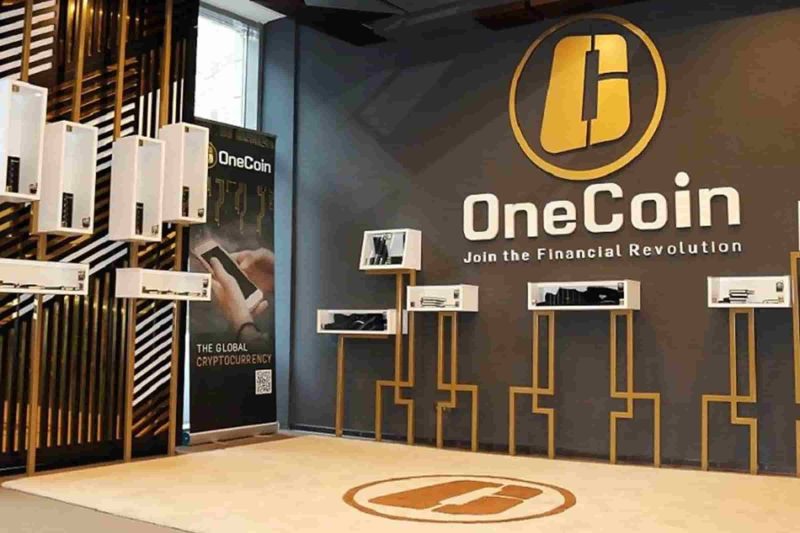
On the world stage, in venues like London’s Wembley Arena, Dr. Ruja Ignatova, the self-styled “Cryptoqueen,” promised nothing less than a global financial revolution. She proclaimed her brainchild, OneCoin, to be the future of finance, the “Bitcoin killer”. Between its launch in 2014 and its eventual implosion, this sophisticated deception amassed an estimated $4 billion from over 3.5 million victims worldwide, making it one of the largest digital frauds in history. Yet, the profound irony that defines the OneCoin scandal—and serves as a stark warning to the crypto-interested public—is that this multi-billion dollar “cryptocurrency” project was executed without ever possessing a true, functional cryptocurrency.
Ignatova vanished in October 2017 after boarding a flight from Sofia to Athens, leaving behind a vast trail of financial destruction and unanswered questions. She remains a top fugitive on the FBI’s “Ten Most Wanted” list, with authorities continuing the hunt until incontestable proof of her fate is obtained. The subsequent global legal upheaval reveals not just the extent of the fraud, but the chilling sophistication with which technical deceit, powerful charisma, and elite legal maneuvering were deployed to exploit the early crypto frenzy.
Case Summary: The Rise and Vanishing of the Cryptoqueen
Ruja Ignatova, a Bulgarian fraudster with German citizenship and a PhD in international commercial law (though her degree was later revoked for “unworthy behaviour”), launched OneCoin in 2014 alongside co-founder Karl Sebastian Greenwood. The project was marketed aggressively through a Multi-Level Marketing (MLM) structure, painting the narrative of the “next Bitcoin chance”.

At its height in 2016, Ignatova presented OneCoin to cheering crowds in London. The core promise was simple: rapid value appreciation and the forthcoming launch on an internal exchange, xcoinx, which would supposedly allow for cash-out. The scheme successfully pulled in €3.353 billion in sales through the third quarter of 2016. However, by October 2017, Ignatova had disappeared, indicted by the U.S. Justice Department (DOJ) on charges including fraud and money laundering. The company, which she had founded, was exposed as an elaborate Ponzi scheme.
Scam Mechanism: The Illusion of the Invisible Ledger (Core Focus)
The fundamental deceit of OneCoin was its complete lack of genuine cryptocurrency infrastructure. While Ignatova claimed the coin functioned like any other crypto and could be mined, OneCoin lacked a real blockchain model or actual payment system. This centralized control, simulating technical elements like “mining,” is identified as a hallmark of the fraud.
Instead of selling a functioning digital asset, the company primarily sold “educational packages,” marketed as cryptocurrency courses. These packages, which ranged from a few hundred to tens of thousands of Euros, were often comprised of plagiarized materials. Buyers received “tokens” or “vouchers” allegedly usable for “mining” OneCoins, which investigators later determined was de facto simulated.
The mechanism was classic Multi-Level Marketing (MLM). Participants were heavily incentivized with high commissions to recruit more buyers, fueling the pyramid dynamic. Liquidity, or the ability for investors to realize value, was severely restricted. The internal marketplace, xcoinx, served as an illusion of usability. In January 2017, xcoinx was shut down, and leading up to its closure, OneCoin denied the majority of withdrawal requests, effectively trapping investors’ money, as the exchange was the sole cash-out route for affiliates.
Engineering Legitimacy: Silencing Critics and Buying Influence
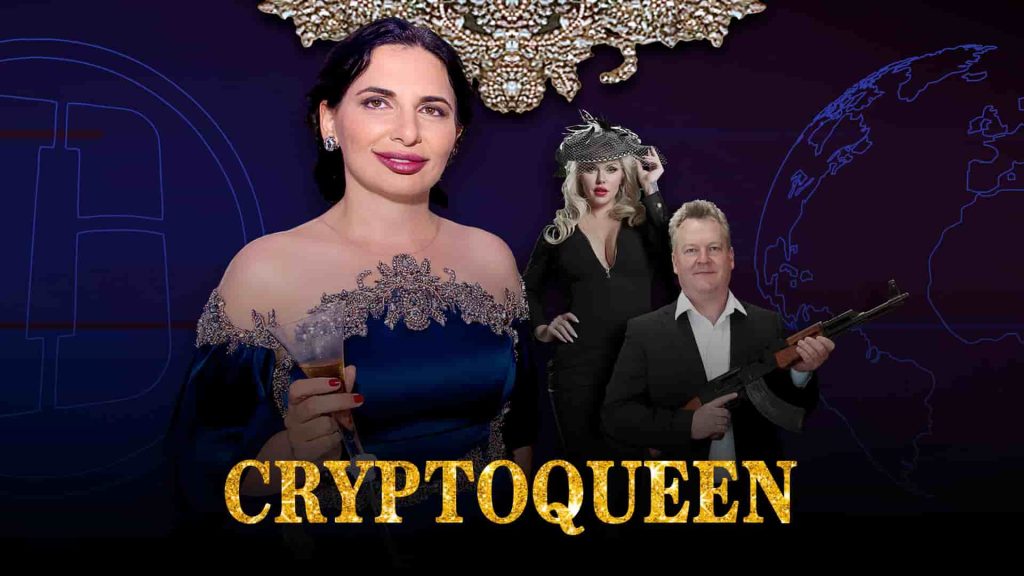
OneCoin’s success relied heavily on manufacturing an aura of untouchable legitimacy. Ignatova meticulously crafted her public persona, utilizing her academic background and claiming affiliations that opened doors to wealthier, more conservative audiences. She was consistently presented as “Doctor Ruja”. The most notorious piece of manufactured evidence was a Forbes magazine cover featuring her image, which became a powerful symbol of legitimacy. It was later revealed this was not an editorial cover of the international edition, but a paid advertisement insert in Forbes Bulgaria.
Crucially, as critics and regulators began questioning the lack of technical proof, Ignatova employed high-end professional services to wage a fierce war against her detractors. Documents reveal that London law firm Carter-Ruck was hired to help the fraudsters by attempting to throw doubt on police investigations and issuing legal threats to whistleblowers.
OneCoin’s stated aims for hiring the firm were explicitly to “remove … negative media coverage from the internet” and “pursue … authors, publishers, and/or internet hosts who maintain negative coverage online”. The firm’s lawyers, working with the PR firm Chelgate, suggested that the goal of legal action was less about winning and more about sending a “clear message which can be used for PR purposes” to reassure existing members and challenge critics. This strategy involved threatening lawsuits against individuals, including a Scottish investor who had lost her life savings. The tribunal considering the case against a Carter-Ruck partner later ruled it was satisfied that the firm had been engaged in furthering a fraud.
The failure of investors to conduct thorough due diligence and the reliance on the MLM structure allowed the scam to flourish, but the warning signs were apparent early on. Investigative sources identify several critical “red flags” that should have alerted investors and regulators:
- No Public Blockchain or Explorer: Unlike legitimate cryptocurrencies, OneCoin lacked a verifiable, public ledger or an open-source code base. Without this, the “mints” or creation of coins could not be independently verified.
- Centralized Price Control: The coin’s price was determined internally by the company, not by market forces on independent exchanges.
- MLM Distribution: The reliance on high-commissioned recruitment plans (MLM) instead of traditional developer or exchange ecosystems is a major warning sign.
- Regulatory Warnings: As early as 2016, international warnings were issued. Norway’s Direct Selling Association labeled it a pyramid scheme in March 2016, followed by similar warnings from the Hungarian Central Bank. Germany’s BaFin issued orders against OneCoin-related payment services in 2016.
- False Claims: In 2017, OneCoin falsely claimed to be the first company licensed by the Vietnamese government to be used as a digital currency, a claim immediately rebutted by the Vietnamese government.
- Guaranteed Returns: The promise of fixed, high returns—a narrative typical of classic Ponzi schemes—was used instead of acknowledging the volatility inherent in genuine crypto markets.
Consequences & Legal Status: Global Asset Freeze and Sentencing
The legal fallout has been global and intensive, primarily spearheaded by the U.S. DOJ’s Southern District of New York (SDNY).

Key Convictions and Sentencings:
- Karl Sebastian Greenwood: The co-founder, who pleaded guilty to fraud, was sentenced to 20 years in prison in 2023. He was also ordered to disgorge $300 million.
- Konstantin Ignatov: Ruja’s brother, who took over as the company’s face after her disappearance, was arrested in 2019. He pleaded guilty to fraud and money laundering and cooperated with authorities, leading to his release earlier this year after time served (34 months), conditional on disgorging $118,000.
- Irina Dilkinska: OneCoin’s former “Head of Legal & Compliance,” was extradited to the U.S. and sentenced in 2024 after pleading guilty to fraud and money laundering charges.
- Mark S. Scott: A former U.S. lawyer, was convicted in 2019 for laundering over $400 million of OneCoin funds.
- Gilbert Armenta: Ignatova’s ex-boyfriend and associate, was sentenced to five years for wire fraud and money laundering.
Asset Freezes and Recovery:
In a major step for victims, a London High Court recently issued worldwide freezing orders on assets belonging to Ruja Ignatova and seven named associates, including Greenwood and Kari Wahlroos, who presented himself as the company’s “European ambassador”. This decision was part of a legal claim brought by more than 400 OneCoin investors seeking damages.
The freezing order targets assets globally, including two London properties purchased by Ignatova using Guernsey companies. The investigation also revealed that Ignatova and at least 11 of her associates bought luxury properties in Dubai, often using shell companies. For example, Ignatova used a Dubai shell company, Oceana Properties Ltd., to purchase a $2.7 million penthouse in 2015.
However, the efficacy of the global freezing order remains contingent on whether courts in the countries where the assets are located formally acknowledge and recognize it. Furthermore, $2 billion worth of assets connected to the scheme are believed to be still “uncovered” around the world, unlikely to be in England.
Ongoing Fugitive Status:
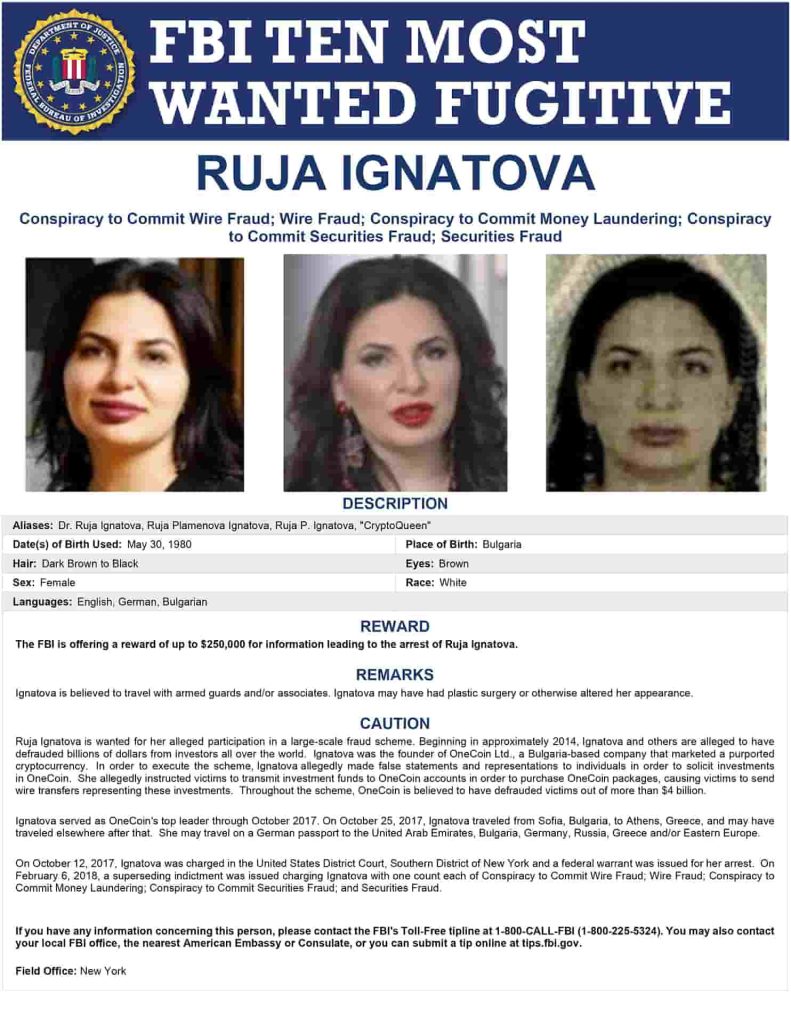
Ignatova’s whereabouts remain the central mystery, fueling intense investigative efforts and media interest, including the BBC’s podcast, “The Missing Cryptoqueen,” and various documentaries. The U.S. government has increased the reward for information leading to her arrest or conviction to $5 million.
Theories abound: Ignatova was last verified in Athens in 2017. One circulating theory, based on seized police files in Bulgaria, suggests she was murdered on a yacht in Greece in 2018 on the orders of a Bulgarian mafia boss, Christoforos Amanatidis (Taki). However, some news outlets have questioned this account. Authorities, including the FBI and German investigators, continue to operate on the hypothesis that she is still alive. Recent documentary claims suggest she may be hiding in an affluent neighborhood in Cape Town, South Africa, a claim corroborated by some security sources, though German authorities cannot confirm this.
In Germany, where Ignatova holds citizenship, prosecutors have filed charges in Bielefeld to prevent her alleged offenses from falling under the statute of limitations, granting an additional five years for the investigation, although a trial cannot proceed in her absence.
Writer’s Commentary: The Core Failure and the Path to Resilience
The success of OneCoin was not merely a failure of due diligence; it was a devastating confluence of technological ignorance, human greed, and regulatory lag. The Core Cause Assessment must recognize that the scam leveraged the legitimate excitement and complexity surrounding nascent cryptocurrency technology to sell a technologically baseless product. Ignatova succeeded because she was able to deploy a captivating “messiah” persona, complete with academic degrees and faux credibility, while her MLM structure weaponized social trust, turning friends and family into recruiters.
Crucially, the scandal highlights a systemic vulnerability: the ability of sophisticated fraud operations to use the legal system itself—via firms like Carter-Ruck—to harass and silence critics, known as Strategic Lawsuits Against Public Participation (SLAPP). OneCoin was able to buy time and maintain the illusion of legitimacy long after regulatory warnings were issued.
For prevention, the market needs sharp, decisive interventions:
- Mandatory Open-Source Technical Auditing (Technology Focus): Any entity marketing a “cryptocurrency” should be mandated to provide verifiable, open-source code and a public blockchain explorer prior to fundraising. If a project relies on MLM for distribution rather than a developer ecosystem, technical scrutiny must be immediate and severe. The motto should be: No verifiable ledger, no investment.
- Harmonized Global Anti-SLAPP Legislation (Regulatory Focus): Regulators must work in concert with justice departments to implement strong international anti-SLAPP rules. Legal firms that knowingly or negligently assist in the “furtherance of a fraud” must face swift consequences, as the threat of litigation was deliberately used here to send a false “PR message” and intimidate whistleblowers.
- Clear Regulatory “No-Fly Zones”: Regulatory bodies like the SEC, FCA, and BaFin should collaborate to create a highly visible, globally accessible list of projects deemed fraudulent (or possessing clear “pyramid scheme” characteristics) immediately upon technical non-compliance or the use of MLM for capital raising. This list must be updated faster than fraudsters can manipulate public opinion.
The OneCoin narrative serves as a chilling blueprint for how traditional financial fraud can be repackaged and amplified by the complexity of digital finance. It reminds us that in the digital gold rush, the most dangerous weapon is not sophisticated code, but the exploitation of misplaced faith in an invisible, unverified promise.
REFERENCES
- diebewertung – OneCoin: Recherchebericht
- forklog – The vanished Cryptoqueen
- coingeek – OneCoin’s ‘Cryptoqueen’ alive and in South Africa: report
- investopedia – OneCoin Ponzi Scheme: The $4 Billion Cryptocurrency Scam Explained
- luxtimes – Fugitive ‘cryptoqueen’ Ruja Ignatova indicted in Germany
- nrwz – OneCoin: Prozess gegen Ruja Ignatovas Ehemann kommt +++ aktualisiert
- icij – A UK court ordered a global asset freeze for the ‘Cryptoqueen’ and her OneCoin associates